
Resilient Buildings
Future-proofing organisations through better buildings.
Are you losing productivity because of overheating? Is your building or estate strategy disconnected from your overall business priorities? Have you a resilience plan in place to mitigate the urgent risk of energy security, supply and costs?
Buildings are one of the largest sources of unmanaged organisational risk, and one of the greatest opportunities for improving organisational performance. Resilient buildings help offset rising costs, mitigate insurance premium increases of up to 15%, and improve occupant productivity and performance by up to 6%. Think what those could do to your bottom line. They also reduce the risk of stranded assets, increase asset value and rental yields by up to 15% and cut void periods by as much as 25%.
There are plenty of frameworks that help organisations become ‘greener’ but our Spenbeck Building Resilience Pathway does something different. It supports you in taking the vital, and often missed, next step by helping you create and embed resilient buildings into your strategic planning that don’t simply perform well on paper. They are ones that you can continue to operate, afford and depend upon over time to secure organisational resilience and continuity.
Where are we now? What should we do? How do we make it happen?
The Spenbeck Building Resilience Pathway helps you answer those questions and turn insight into action.
01 | DIAGNOSTIC – Understand
Get a clear picture of where you are now. Identify the climate, energy, health & governance risks, opportunities and priorities that could affect your building and organisational performance.
02 | DECISION – Decide
Turn evidence into better decisions. Prioritise what matters, understand your options and make confident choices about what to do next.
03 | DELIVERY – Transform
Move from decisions to action. With wide-ranging support from technical advisory and interior design to behaviour change training we can help you implement change and embed improvements to strengthen your organisation’s resilience.
Join the Pathway at any stage and move forward from there.
Why Building Resilience Matters
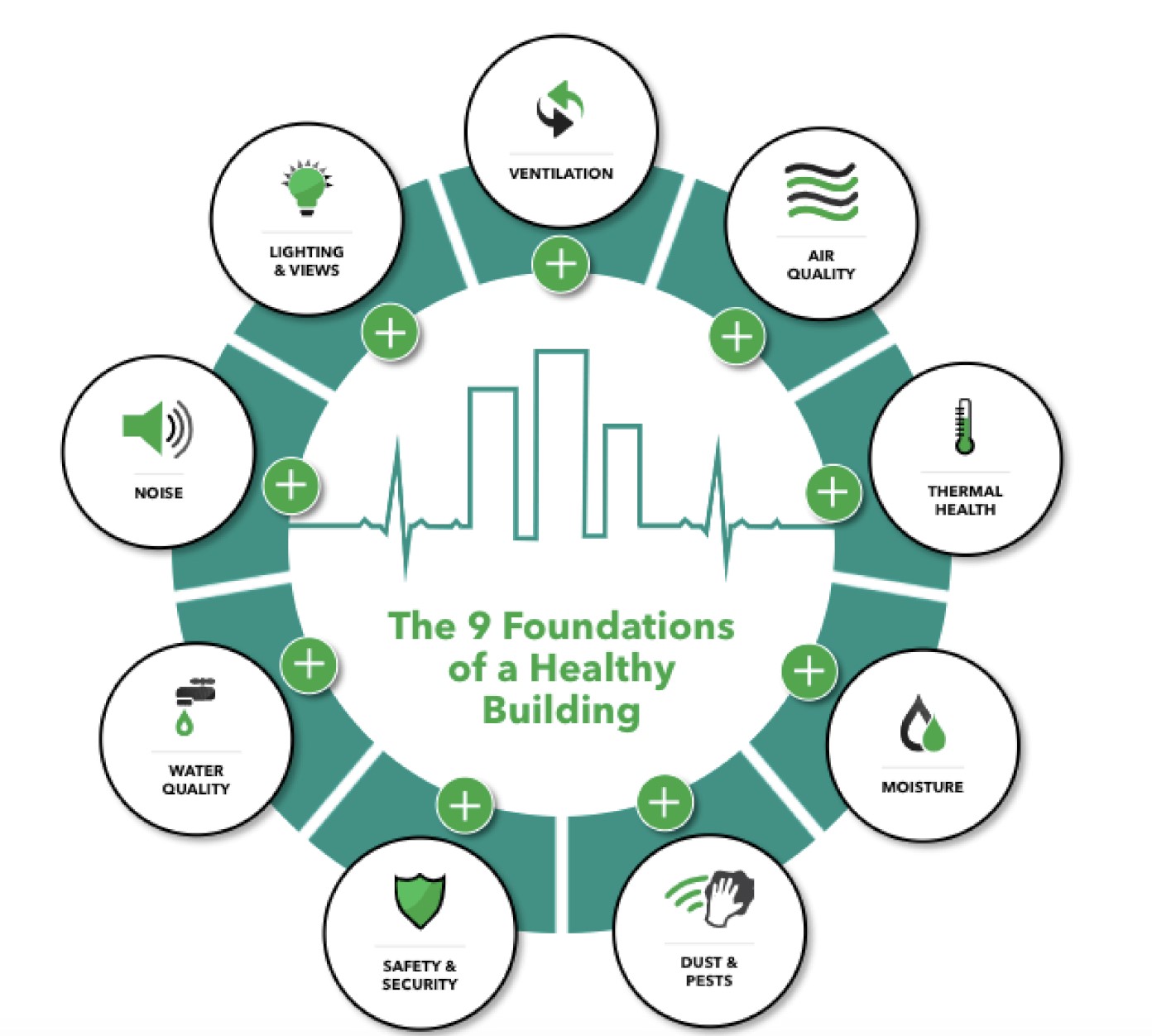
Addressing 7 domains across 3 dimensions, the Pathway works for everyone who is impacted by buildings, whether you’re a building owner, tenant, school estate, property manager or investor seeking to maximise returns. If you work from home it’s relevant for you too!
- Built on recognised industry thinking. Designed for real-world decisions
The Spenbeck Building Resilience Pathway is explicitly aligned with the UK Green Building Council’s Climate Resilience Roadmap and the RICS Sustainability and ESG Standards, bringing recognised best practice together with our practical experience of buildings, organisations and the decisions that connect them.
- Energy & Climate Resilience
2026 has demonstrated the urgency like never before. Energy costs are spiraling, supply is no longer guaranteed and the weather is impacting maintenance budgets and occupant productivity like never before. We focus on maximising passive (non-mechanical) measures to reduce your exposure to climate change and an over-reliance on mechanical means to operate your buildings, helping meet emissions targets alongside creating healthy buildings and better managing future risks.
The Spenbeck Difference
With our 45 year experience as multi-award-winning commercial landlords and consultants we know exactly how buildings impact risk, performance and organisational success. We have repeatedly proved first hand how buildings drive the holy trinity of improved health, profit and environmental performance.
Our philisophy is underpinned by Thomas Sowell’s quote, “there are no solutions, only trade offs”. Our celebrated approach is insightful, honest and pragmatic, balancing compliance requirements and avoiding rabbit holes to truly reflect the needs of our clients’ context, budget and realistic outcomes.
Resilient Buildings FAQ’s
How can I reduce the risks associated with my building?
Buildings create significant risks for the organisations that depend on them, from rising energy costs and supply vulnerability and overheating to maintenance, climate impacts and poor occupant health and reduced productivity.
The Spenbeck Building Resilience Pathway identifies how you exposure, sensitivity and adaptive capacity affects organisational performance and continuity, helping you decide which risks matter most and prioritise what to do about them, reducing your organisational vulnerability.
How can I make my building more energy resilient?
Energy costs and supply uncertainty have a direct impact on operational resilience and ultimately business viability. Improving energy efficiency is only part of the answer and our focus is on passive resilience measures to reduce your vulnerability to the anticiapted rolling blackouts.
The Spenbeck Building Resilience Pathway looks at energy risk alongside Net Zero legislation, climate change, building health, organisational and future risks, providing holistic strategic understanding and support with where your building can reduce organisational exposure and support continuity.
How can I stop my building overheating?
Overheating can affect occupant health, productivity, operating costs and an organisation’s ability to function effectively.
We look at current and future climate exposure, building sensitivity and adaptive capacity, to help you both mitigate and adapt to the likely impacts on performance and continuity, to make pragmatic and affordable decisions about where immediate and longer-term action is needed.
How do I prioritise investment in my building or estate?
When budgets are under pressure, knowing what not to do can be just as important as knowing what to do.
The Spenbeck Building Resilience Pathway has been specifically designed to connect building risk, organisational priorities and investment, helping you identify where action can have the greatest impact on performance, continuity and long-term organisational resilience.